Last reviewed: November 2026 · Reviewed by the Retreats México editorial team
Quick answer
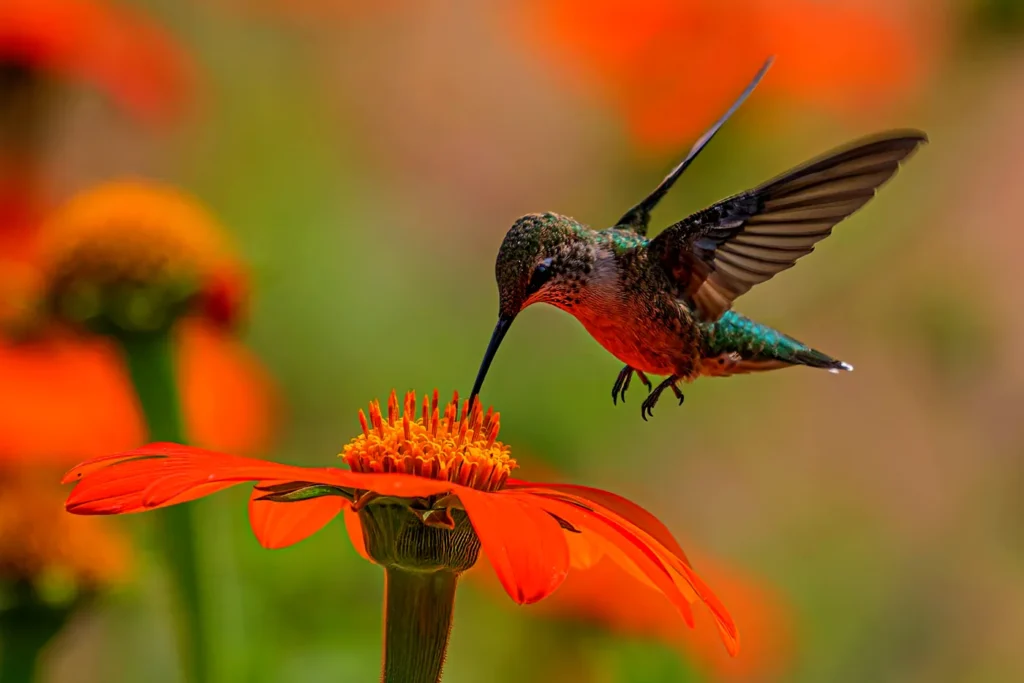
Huitzilin is the Nahuatl word for hummingbird. In Mexica (Aztec) tradition the hummingbird was a powerful symbol linked to Huitzilopochtli, whose name is often translated as “hummingbird of the south” or “left-handed hummingbird.” Today, groups that use the name, such as the Tribu Colibrí (Hummingbird Tribe), gather to share temazcal, songs and ceremonies that honor the ancestors.
The hummingbird is tiny, fast and fearless. In ancient Mexico it was also a messenger, a warrior and a symbol of energy and joy.
Key takeaways
- Huitzilin means hummingbird in Nahuatl.
- The hummingbird was linked to Huitzilopochtli in Mexica tradition.
- Honoring the ancestors is central to Mexican living traditions.
- Community gatherings keep these traditions alive today.
The hummingbird in ancient Mexico
According to Encyclopaedia Britannica, Huitzilopochtli was the Mexica sun and war god, and his name is related to the hummingbird. Hummingbird feathers appeared in his images, and fallen warriors were believed to return as hummingbirds.
Honoring the ancestors
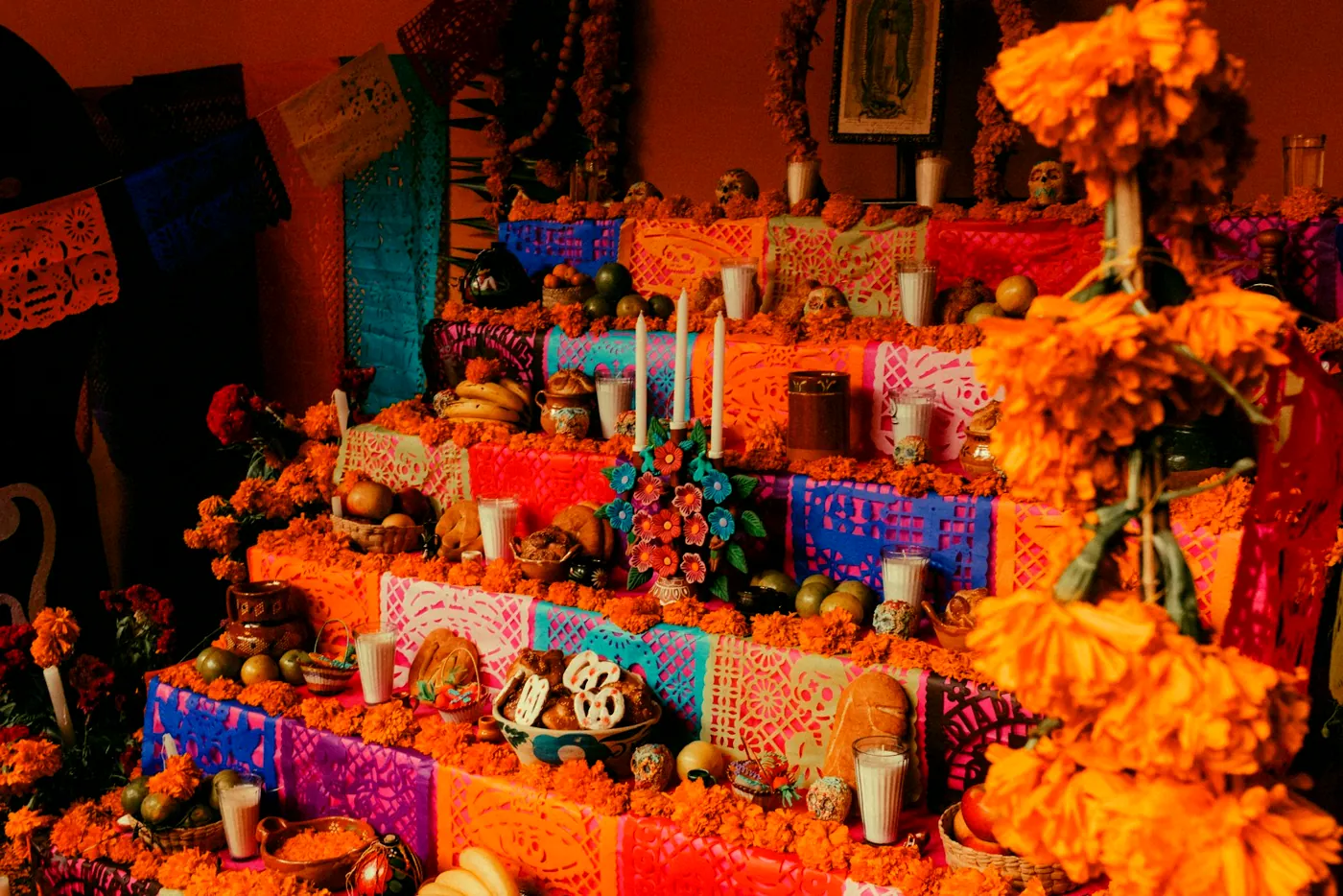
Remembering those who came before is woven into Mexican life. The best-known example is the Day of the Dead, which UNESCO recognizes as Intangible Cultural Heritage. Families build altars with candles, flowers, food and photos to welcome the souls of their loved ones.
Living traditions and community gatherings
Living traditions are not museum pieces. They continue in temazcal circles, songs, dances and family rituals. Near Cancún, Bluestone (publisher of this blog) hosts a community gathering called Huitzilin · Tribu Colibrí, with temazcal guided by Sandra “Sandy” Reyes. Other living traditions to explore include the Totonac heritage of Veracruz.
The hummingbird in Mesoamerican stories
Across Mesoamerica, the hummingbird appears in stories about the sun, warriors and the cycle of life. Its ability to hover, fly backwards and travel great distances made it a symbol of energy, courage and joy. Some traditions also see it as a messenger between worlds.
Why a “tribe”?
In many modern spiritual communities in Mexico, “tribe” refers to a chosen family: people who gather regularly to share ceremony, music and support. The idea is not to copy an ancient culture, but to create community around living traditions.
What happens at a community gathering
- A welcome circle and an opening to the four directions.
- A temazcal, guided at Huitzilin · Tribu Colibrí by Sandra “Sandy” Reyes.
- Songs, drums and sharing.
- A shared meal.
Honoring the ancestors in daily life
- Keep a small altar with photos and flowers.
- Cook a dish your grandparents loved.
- Tell their stories to younger people.
- Light a candle on important dates.
During the Day of the Dead, recognized by UNESCO, families across Mexico build ofrendas with marigolds, candles, food and photos.
Living traditions are evolving traditions
Living traditions change with each generation while keeping their roots. Respectful communities name their teachers, honor the origins of their practices and avoid inventing “ancient” rituals. When you join a gathering, ask about the lineage of what you are doing.
Hummingbirds in Mexico today
Mexico is home to dozens of hummingbird species, and many migrate between Mexico, the United States and Canada. For many travelers, seeing a hummingbird in the jungle near Cancún is a small reminder that their own countries and Mexico share the same skies.
The hummingbird as a teacher
In ceremonies, guides often invite participants to reflect on the qualities of the hummingbird:
- Lightness: carrying only what you need.
- Presence: hovering, fully focused on one flower at a time.
- Endurance: small but able to travel very far.
- Joy: seeking sweetness in life.
Community and belonging
Modern life can be lonely. Gathering regularly with the same people, for ceremony or simply to share a meal, builds a sense of belonging. That is one of the reasons community temazcal gatherings have become popular in cities and towns across Mexico.
How to join a community gathering respectfully
- Ask if newcomers are welcome and what to bring.
- Arrive on time and help where you can.
- Follow the guide’s instructions.
- Bring an offering if invited: flowers, fruit or something to share.
- Keep what others share in confidence.
Huitzilin · Tribu Colibrí near Cancún
Bluestone’s community gatherings in the Mayan jungle bring together locals and visitors. The temazcal is guided by Sandra “Sandy” Reyes, with songs, drums and a shared meal. They are a gentle introduction for people who are curious about ceremony but not ready for a full retreat.
Glossary: key terms
- Huitzilin: Nahuatl for hummingbird.
- Tribu Colibrí: Spanish for Hummingbird Tribe, the name of Bluestone’s community gatherings.
- Ofrenda: an altar or offering, especially for the Day of the Dead.
- Cempasúchil: the marigold flower used on Day of the Dead altars to guide the souls.
- Copal: a tree resin burned as incense in ceremonies.
- Nahuatl: the language of the Mexica (Aztecs), still spoken by over a million people in Mexico.
Knowing these words helps you understand what is happening in a ceremony and shows respect for the traditions behind it.
The bottom line
Huitzilin, the hummingbird, carries centuries of meaning in Mexico: energy, courage, joy and a link with those who came before. Today that meaning lives on in altars, songs and community gatherings. If you want to experience it, join a gathering with respect, learn the words and the stories behind the ritual, and come ready to listen as much as to take part. Near Cancún, Huitzilin · Tribu Colibrí offers a gentle first step, with a temazcal guided by Sandra “Sandy” Reyes.
Compare your options
Living traditions to explore
- Huitzilin · Tribu Colibrí (Bluestone) Cancún
Community temazcal gatherings in the jungle near Cancún. - Visit El Tajín Papantla, Veracruz
Official tourism page for the Totonac archaeological site. - Centre for Indigenous Arts (UNESCO) El Tajín, Veracruz
Where Totonac elders teach traditional knowledge, including healing. - Retreat Guru – Temazcal in Oaxaca Oaxaca
Temazcal and curandera programs on the Oaxacan coast. - Ascension Journeyz Tepoztlán
Retreat organizer in the mountain town of Tepoztlán.
Listings are independent and unpaid. Retreats México is published by Bluestone Retreats, which appears here alongside other options. How we write.
Frequently asked questions
What does Huitzilin mean?
Huitzilin is the Nahuatl word for hummingbird.
Why is the hummingbird important in Mexican tradition?
In Mexica tradition the hummingbird was linked to Huitzilopochtli, the sun and war god, and was associated with energy, courage and the souls of warriors.
What is the Tribu Colibrí?
Huitzilin · Tribu Colibrí (Hummingbird Tribe) is the name of the community temazcal gatherings held by Bluestone in the jungle near Cancún.
What does “tribe” mean in Mexican spiritual communities?
It usually means a chosen family of people who gather regularly to share ceremony, music and support.
What happens at Huitzilin · Tribu Colibrí?
Community gatherings near Cancún with an opening circle, a temazcal guided by Sandra “Sandy” Reyes, songs, drums, sharing and a meal.
How can I honor my ancestors?
Keep a small altar with photos and flowers, cook their favorite dishes, tell their stories and light a candle on important dates.
Do hummingbirds migrate between Mexico and North America?
Yes. Many hummingbird species migrate between Mexico, the United States and Canada.
Can tourists join community temazcal gatherings?
Often yes. Ask beforehand if newcomers are welcome, what to bring and how to prepare.
What is cempasúchil?
The Mexican marigold, whose bright orange flowers decorate Day of the Dead altars and are said to guide the souls home.
Sources & further reading