Last reviewed: November 2026 · Reviewed by the Retreats México editorial team
Quick answer
Ancestral ceremonies in Mexico are rituals rooted in Indigenous traditions: fire ceremonies, the temazcal, offerings to the four directions, the burning of copal, songs and prayers. At retreats they are guided by people who carry these traditions. Taking part respectfully means listening to the guide, following the protocol, asking before photographing and giving time to integrate what you experience.
Ceremony is how many cultures mark what matters: beginnings, endings, gratitude and healing. In Mexico, these practices have survived centuries and are very much alive.
Key takeaways
- Common elements: fire, copal, the four directions, song and offerings.
- Ceremonies are guided by people who carry a tradition.
- Respect means following the guide and the protocol.
- Ceremony and integration go together.
Common elements
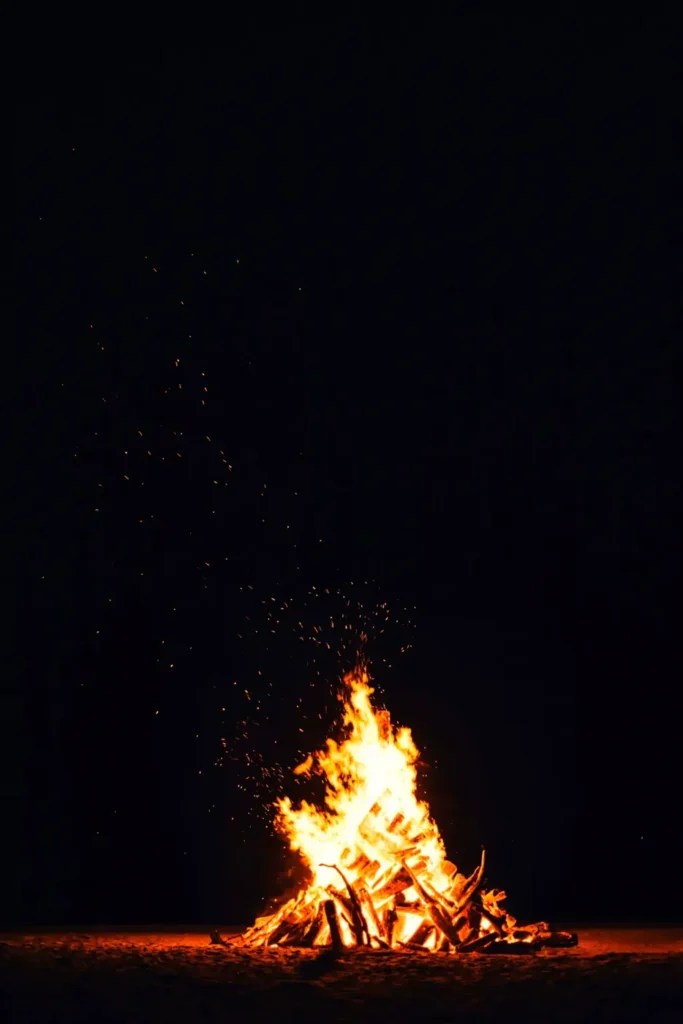
- Fire: the center of many ceremonies, often kept by a fire keeper.
- Copal: a tree resin burned as incense for cleansing and prayer.
- The four directions: greetings to east, north, west and south, each with its own meaning.
- Songs and drums: simple chants that everyone can join.
- Temazcal: the ancestral sweat lodge. Learn more.
Ancestral wisdom and traditional medicine
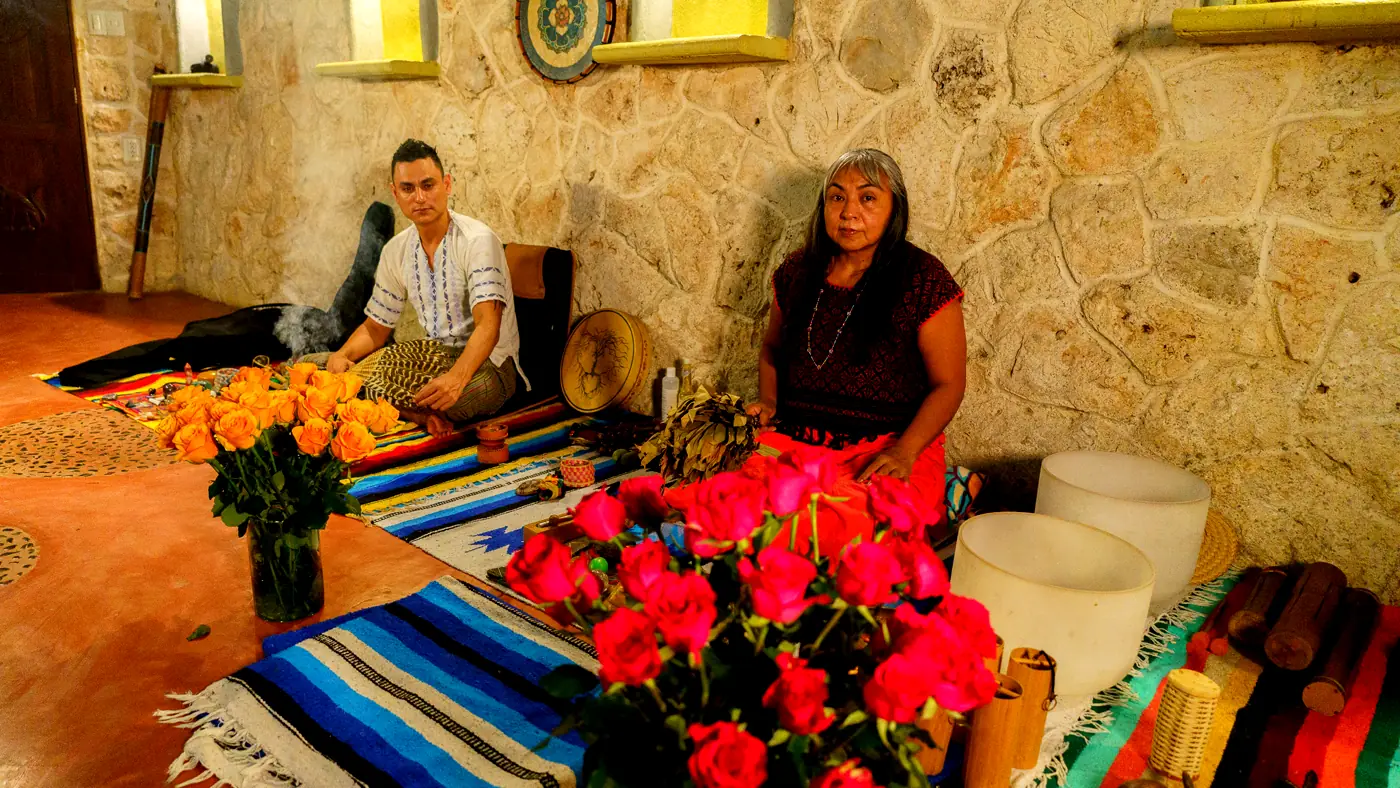
Many communities in Mexico keep traditional medicine alive: herbal knowledge, the temazcal and ritual. UNESCO highlights efforts like the Totonac Centre for Indigenous Arts that pass this knowledge to new generations. At retreats, you will also hear terms like “sacred plant traditions” or “plant medicine”; always ask exactly what a program includes, and read our safety checklist.
Being a respectful participant
- Arrive on time and listen to the opening.
- Ask before taking photos; often the answer is no.
- Do not mix traditions casually or treat ceremony as entertainment.
- Be honest about your health.
Ceremony and integration
What happens in ceremony needs time to settle. Good retreats close with integration circles; at home, try our integration practices.
The four directions
Many Mesoamerican-inspired ceremonies open by greeting the four directions. Interpretations vary by tradition, but they are often linked with elements, colors and stages of life. The greeting is a way of placing the ceremony in relation to the whole world, not just the people in the room.
Types of ancestral ceremonies
- Fire ceremonies: gathering around a sacred fire to pray, sing and make offerings.
- Temazcal: the steam bath ceremony, often guided by a temazcalera. At Bluestone it is guided by Sandra “Sandy” Reyes.
- Offerings (ofrendas): flowers, food, copal and candles placed on an altar.
- Cleansings (limpias): rituals with herbs, smoke or flowers.
- Seasonal ceremonies: marking equinoxes, solstices or the Day of the Dead.
The role of the guide and the fire keeper
The guide holds the ceremony: opening, songs, words and closing. The fire keeper tends the fire and the stones, often for hours. At Bluestone, Ino Delgado carries the title of “Man of Fire” (Águila de Fuego), and Sandy guides the temazcal.
Preparing for a ceremony
- Set an intention.
- Eat light and avoid alcohol beforehand.
- Wear white or light-colored, comfortable clothes.
- Arrive early and leave your phone aside.
- Share your health information with the team.
After the ceremony
Take time to rest and share in the closing circle. Write down what you want to remember. In the following days, follow our integration practices.
A word on authenticity
Not every ceremony offered to tourists is rooted in a real tradition. Ask the guide who taught them, which tradition they follow and how they relate to the communities that carry it. Honest guides answer simply and without exaggeration.
Ceremony and the calendar
Many ceremonies follow natural and sacred cycles: the equinoxes, solstices, full moons and the Day of the Dead. Retreats sometimes schedule their programs around these dates, which can make the experience feel more connected to nature.
What to bring
- White or light clothes and a shawl.
- An offering if invited: flowers, fruit or a candle.
- A journal for afterwards.
- Water.
Children and elders
Some community ceremonies welcome children and elders; others are designed for adults. Ask beforehand, and respect the guide’s decision.
Glossary: key terms
- Copal: tree resin burned as incense.
- Ofrenda: an offering or altar with flowers, food and candles.
- Limpia: a cleansing ritual with herbs, smoke or flowers.
- Fire keeper: the person who tends the ceremonial fire and stones.
- Temazcalera: a woman who guides the temazcal.
- Danza: traditional ceremonial dance with drums and rattles.
Questions people often ask before their first ceremony
Will I have to speak? Usually no. You can share if you want, or simply listen.
What if I do not believe in it? You are welcome to participate with respect and curiosity; nobody will ask you to convert.
What if I feel emotional? That is common and accepted. The guide and the group will support you.
Can I leave? Yes. Tell the guide or a helper so they can accompany you safely.
The bottom line
Ancestral ceremonies are living traditions, not performances. Taking part is a privilege that comes with simple responsibilities: listen to the guide, follow the protocol, be honest about your health and give yourself time to integrate. Choose guides who speak openly about their lineage and teachers, and approach each ceremony with curiosity and respect. Done this way, a ceremony can become one of the most meaningful moments of your trip to Mexico.
Compare your options
Where to experience ancestral ceremonies
- Bluestone Retreats Cancún
Small-group jungle retreats with temazcal, ceremony, sound and integration, guided by Sandra “Sandy” Reyes and Ino Delgado. - Retreat Guru – Temazcal in Quintana Roo Riviera Maya
Compare current temazcal ceremonies and retreats with reviews. - Retreat Guru – Temazcal in Oaxaca Oaxaca
Temazcal and curandera programs on the Oaxacan coast. - Ascension Journeyz Tepoztlán
Retreat organizer in the mountain town of Tepoztlán. - Visit El Tajín Papantla, Veracruz
Official tourism page for the Totonac archaeological site.
Listings are independent and unpaid. Retreats México is published by Bluestone Retreats, which appears here alongside other options. How we write.
Frequently asked questions
What are ancestral ceremonies?
Rituals rooted in Indigenous traditions, such as fire ceremonies, the temazcal, offerings to the four directions and the burning of copal.
Can foreigners take part in ancestral ceremonies in Mexico?
Yes, many retreats welcome international guests. Follow the guide, respect the protocol and ask before taking photos.
What is copal?
A tree resin burned as incense in Mesoamerican ceremonies for cleansing and prayer.
What are the four directions in Mexican ceremonies?
Many ceremonies open by greeting east, north, west and south, each associated with elements, colors and stages of life depending on the tradition.
What does a fire keeper do?
The fire keeper tends the ceremonial fire and heats the stones for the temazcal, often for hours before and during the ceremony.
What should I wear to an ancestral ceremony?
White or light-colored, comfortable clothes, unless the guide asks otherwise.
Can children attend ancestral ceremonies?
Some community ceremonies welcome children; others are only for adults. Ask the organizer beforehand.
Do I have to believe in the tradition to join a ceremony?
No. You are welcome to participate with respect and curiosity; nobody will ask you to convert.
Sources & further reading