Last reviewed: November 2026 · Reviewed by the Retreats México editorial team
Quick answer
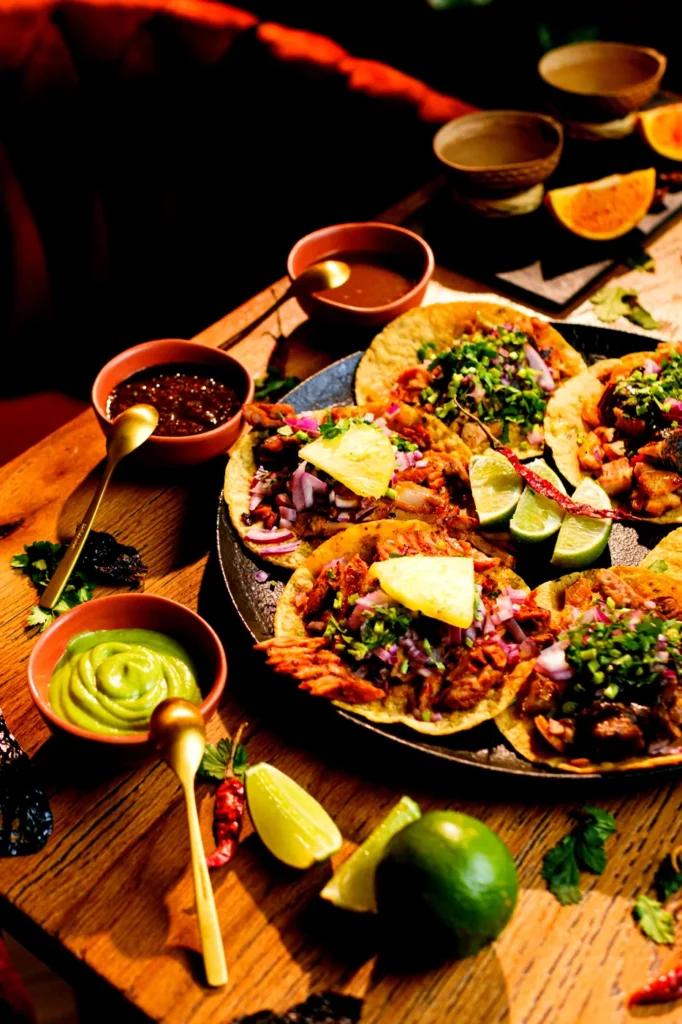
Retreat food in Mexico is usually fresh, light and plant-forward, often based on traditional Mexican ingredients like corn, beans, squash, chili, fruit and herbs. “Conscious cooking” means preparing food with attention to quality, the body’s needs during the program, and the people who eat it. Always share allergies and dietary needs before you arrive.
Ask people what they remember from a retreat and food often makes the list. A meal shared after a long ceremony can feel like a ceremony of its own.
Key takeaways
- Expect fresh, simple, mostly plant-based food.
- Traditional Mexican cuisine is recognized by UNESCO.
- Some programs ask for a lighter diet before ceremonies.
- Share allergies and needs in advance.
What is conscious cooking?
It is cooking with intention: fresh ingredients, gentle preparation and meals that support what participants are living. It also means eating slowly and together.
A cuisine made for it
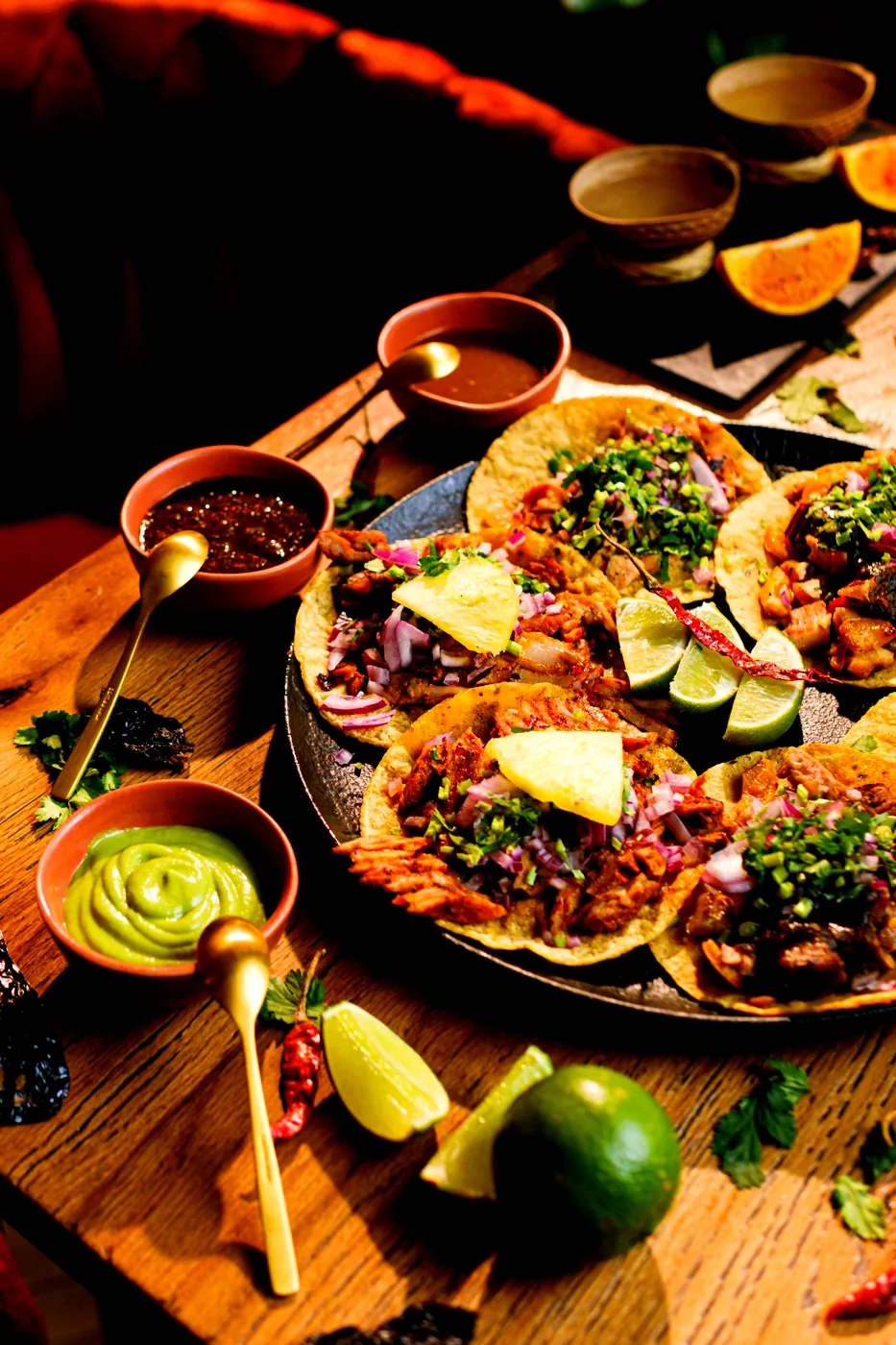
Traditional Mexican cuisine is on UNESCO’s list of Intangible Cultural Heritage. Its base of corn, beans and chili, with fresh vegetables and fruit, adapts beautifully to retreat menus.
Food before ceremonies
Some retreats ask for a lighter diet for a few days before ceremonies, avoiding alcohol, heavy meals or certain foods. A good team explains why and sends guidance in advance.
Benchmarks
Wellness resorts like Rancho La Puerta are known for garden-to-table menus and cooking classes; smaller retreats usually cook home-style.
The milpa: the base of Mexican food
The milpa is a traditional Mesoamerican farming system in which corn, beans and squash grow together, often with chili and herbs. Each plant supports the others, and together they form a balanced diet. Many retreat menus in Mexico are built on this same trio.
Typical retreat dishes in Mexico
- Fresh fruit with lime and chili for breakfast.
- Black beans, rice and handmade tortillas.
- Vegetable soups such as sopa de flor de calabaza.
- Salads with jícama, cucumber and avocado.
- Agua fresca made with hibiscus (jamaica) or seasonal fruit.
- Herbal teas like lemongrass or chamomile.
Eating mindfully
Conscious eating is less about rules and more about attention: eating slowly, noticing flavors, and stopping when you are satisfied. Some retreats invite a moment of silence or gratitude before meals.
Special diets
Vegetarian and vegan diets are easy to accommodate in Mexico. Gluten-free is also usually simple, thanks to corn tortillas. If you have allergies, tell the retreat in writing and remind the kitchen when you arrive.
Food and ceremony
Before ceremonies, many retreats suggest lighter meals and avoiding alcohol, heavy fats or very spicy food. After a temazcal or ceremony, simple, warm food helps you ground. Ask your retreat for its specific guidance.
Bringing it home
- Cook one simple, fresh meal a day.
- Eat at least one meal without screens.
- Add more beans, vegetables and fruit.
- Drink more water and herbal tea.
Mexican ingredients you will meet on retreat
- Nopal: the pad of the prickly pear cactus, grilled or in salads.
- Chaya: a leafy green from the Yucatán, often in drinks or eggs.
- Jícama: a crunchy, juicy root eaten raw with lime and chili.
- Amaranth and chía: ancient Mesoamerican seeds, in snacks and drinks.
- Cacao: used in drinks since pre-Hispanic times, sometimes served in ceremonies.
- Achiote: the red seed that colors Yucatecan dishes such as cochinita pibil.
- Hibiscus (jamaica): for a tart, refreshing agua fresca.
The Yucatán kitchen
If your retreat is near Cancún, you may taste Mayan-influenced dishes: sopa de lima, papadzules, salbutes or vegetables cooked with achiote. Yucatecan food is generally less spicy than people expect, but it comes with habanero salsa on the side for those who want heat.
Who cooks at a retreat?
At small retreats, meals are often prepared by local cooks who learned in their own families. Their knowledge is part of the experience. If you love a dish, ask how it is made; many cooks are happy to share.
Water and hygiene
Drink bottled or filtered water, which almost every retreat provides. Well-run kitchens wash vegetables with purified water. If you have a sensitive stomach, start with cooked foods for the first day or two.
Mealtime as community
At most retreats, meals are shared at long tables. This is where many friendships begin. Conversation is part of the nourishment, and so is the silence some groups keep at breakfast after a ceremony night.
Food as tradition
When UNESCO recognized traditional Mexican cuisine, it highlighted not only recipes but the whole community culture around food: planting, cooking together and sharing. A retreat table is a small version of that.
Glossary: key terms
- Milpa: the traditional corn, beans and squash growing system.
- Agua fresca: a light drink of water with fruit, flowers or seeds.
- Nixtamal: corn cooked with lime (calcium hydroxide), the base of tortillas and tamales; the process makes the corn more nutritious.
- Comal: a flat griddle used to cook tortillas and toast chilies and seeds.
- Molcajete: a stone mortar used to grind salsas and spices.
Compare your options
Retreats known for their food
- Rancho La Puerta Tecate, Baja California
Classic fitness and wellness resort founded in 1940, near San Diego. - Palmaïa – The House of AïA Playa del Carmen
All-inclusive wellness resort featured in the Michelin Guide. - Bluestone Retreats Cancún
Small-group jungle retreats with temazcal, ceremony, sound and integration, guided by Sandra “Sandy” Reyes and Ino Delgado. - Mar de Jade Chacala, Nayarit
Beachfront wellness center with a long community-focused history. - Holistika Tulum Tulum
Jungle hotel and wellness center with yoga, sound and holistic programs.
Listings are independent and unpaid. Retreats México is published by Bluestone Retreats, which appears here alongside other options. How we write.
Frequently asked questions
What food is served at retreats in Mexico?
Usually fresh, light, mostly plant-based meals with local ingredients like corn, beans, squash, fruit and herbs.
Can retreats handle allergies or special diets?
Most can if you tell them in advance. Share allergies and dietary needs when you book.
Why do some retreats ask for a special diet?
To help participants feel lighter and more present for ceremonies and practices. Ask the team for their specific guidance.
What is the milpa?
A traditional Mesoamerican farming system in which corn, beans and squash grow together, forming the base of the Mexican diet.
Are vegan diets easy at retreats in Mexico?
Usually yes. Beans, corn, vegetables, fruit and avocado make plant-based menus easy. Tell the retreat in advance.
What should I eat before a ceremony?
Most retreats suggest light meals and avoiding alcohol and heavy food. Follow your retreat’s specific guidance.
What is chaya?
A leafy green plant from the Yucatán Peninsula, used in drinks, eggs and tamales, and often served at retreats in the region.
Is retreat food in the Yucatán spicy?
Usually not; spicy habanero salsa is served on the side so each person can choose.
Is it safe to drink water at retreats in Mexico?
Drink bottled or filtered water, which almost all retreats provide.
What is nixtamalization?
Cooking corn with lime (calcium hydroxide), a Mesoamerican technique that makes corn more nutritious and is the base of tortillas.
Sources & further reading